
The price of LFP batteries is very important for solar developers. As more people want energy storage, knowing how prices affect projects is key. Things like supply chains, material costs, and new tech all matter a lot.
Big names like Tesla and BYD are leading in LFP tech. They help set prices and guide developers on what to do next.
Key Takeaways
- LFP battery price is essential in determining solar project feasibility.
- Energy storage solutions are increasingly vital in renewable energy sectors.
- Understanding project economics helps developers optimize investments.
- Supply chain and material costs directly impact LFP battery pricing.
- Leading companies like Tesla and BYD shape the market dynamics.
The Importance of Cost in Solar Energy Storage
Cost plays a decisive role in the success of solar energy storage projects. For solar developers, effective cost management directly influences project bankability, investor confidence, and long-term returns.
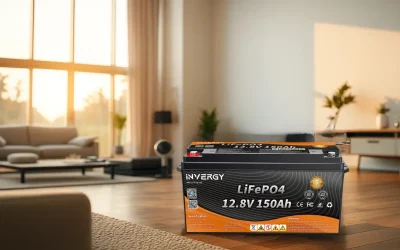
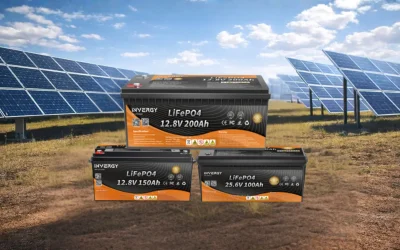
Solar energy storage costs include upfront battery investment, installation, operation, and lifecycle maintenance. Choosing durable and efficient battery technology such as INVERGY LiFePO₄ batteries helps reduce total cost of ownership while improving system reliability.
Understanding Solar Project Economics
Project economics in solar energy is all about balancing costs and expected returns. It looks at all the money spent against the energy saved. Using LFP batteries is important here.
LFP batteries help make energy use more efficient. They also help manage the grid better. This can cut down on storage costs and increase profits for developers.
The Role of Energy Storage in Solar Projects
Energy storage enables solar developers to store excess energy generated during peak sunlight hours and discharge it during high-demand periods. This capability improves revenue generation, reduces grid dependence, and strengthens overall system resilience.
Efficient storage solutions like INVERGY LiFePO₄ Battery systems support uninterrupted power delivery and contribute to a more sustainable solar ecosystem.
| Cost Factor | LFP Battery Cost | Traditional Battery Cost | Potential Savings |
|---|---|---|---|
| Installation | $300 per kWh | $400 per kWh | $100 per kWh |
| Maintenance (Annual) | $20 per kWh | $30 per kWh | $10 per kWh |
| Energy Efficiency | 95% | 85% | 10% more energy yield |
By focusing on solar energy storage costs, developers can use LFP batteries to save money. This also makes energy more reliable. Knowing how storage affects projects helps make better choices for solar success.
What is LFP Battery Technology?
Lithium Iron Phosphate (LFP) battery technology is a big deal in renewable energy, like solar power. It’s known for being very stable and lasting a long time. This makes it a top pick for storing energy.
LFP batteries are also very safe. They’re less likely to catch fire than other types of batteries.
The Benefits of Lithium Iron Phosphate (LFP) Batteries
LFP batteries have many good points:
- They last longer than many other batteries, which is great for saving energy.
- They need less upkeep because they don’t have as many safety issues.
- They work well in different temperatures, so they’re reliable everywhere.
Big names like CATL and A123 Systems are working hard to make LFP batteries even better. They’re always finding ways to improve them and use them in more ways.
Comparing LFP to Other Battery Technologies
Let’s look at how LFP compares to other batteries:
| Battery Type | Safety | Life Cycle | Cost |
|---|---|---|---|
| LFP | High safety | Long | Moderate |
| NMC (Nickel Manganese Cobalt) | Moderate safety | Medium | High |
| LCO (Lithium Cobalt Oxide) | Low safety | Short | High |
This shows how LFP batteries are safe and last a long time. They’re a smart choice for solar projects. Solar developers can trust LFP batteries to be reliable and efficient.
How LFP Battery Price Impacts Project ROI
It’s key for solar developers to grasp how LFP battery prices affect project ROI. Battery cost changes can make or break a solar project’s success. When planning for LFP batteries, solar developers must project costs carefully. This ensures their financial plans stay on track for energy storage investments.
Budgeting for LFP Batteries in Solar Projects
Good budgeting for LFP means looking at both upfront and ongoing costs. This includes:
- Procurement Costs: Checking the latest prices for Lithium Iron Phosphate batteries.
- Installation Expenses: Figuring out the costs for labor and setup needed for battery integration.
- Maintenance Provisions: Planning for future upkeep costs to keep batteries running well.
Calculating Return on Investment for Solar Developers
To figure out project ROI, developers must consider several important factors. These are influenced by battery pricing:
- Energy Savings: Using stored solar energy cuts down on grid electricity costs.
- Operational Efficiency: Better energy use during peak times boosts output.
- Revenue Opportunities: Selling extra energy back to the grid or getting incentives.
Studies in India show how LFP battery prices are critical for solar project success. By understanding and planning for these costs, solar developers can make better choices. This improves the overall ROI of their projects.
Feasibility Studies and LFP Battery Pricing
Feasibility studies are key in planning solar projects. They check if a project is financially sound. Adding LFP battery pricing to these studies helps understand costs and possible gains. This way, developers can predict the financial impact of LFP batteries in solar projects.
Conducting Feasibility Assessments for Solar Projects
Doing thorough feasibility assessments is important. It involves looking at many factors that affect a project’s success. These factors include:
- Market analysis of LFP battery pricing to find the best deals
- Forecasting costs for setting up and keeping solar systems running
- Checking out different suppliers and what they offer
- Looking at risks like price changes and supply issues
Integrating LFP Batteries into Feasibility Studies
Adding LFP batteries to feasibility studies makes predictions more accurate. Important things to consider are:
- Deep analysis of long-term benefits of LFP batteries
- Comparing initial costs with expected energy savings
- Looking at how LFP battery pricing affects financing and the project budget
- Making sure it fits with local laws and incentives for battery use
As LFP battery tech gets better, keeping up with pricing trends is vital. It helps make solar projects successful in India.

Supplier Choice: Finding the Right LFP Battery Manufacturer
Choosing the right LFP battery manufacturer is key for solar developers. They need quality products at good prices. It’s important to check the supplier’s credentials, products, and reputation in the market. This helps ensure reliable suppliers for successful projects.
Evaluating Supplier Credentials and Reliability
When looking at LFP battery manufacturers, focus on a few important things:
- Certifications: Make sure the supplier has the right certifications. This shows they follow industry standards.
- Experience: A long history in the market means they can deliver reliable products.
- Customer Feedback: Look at reviews and testimonials. They give clues about the supplier’s reputation and trustworthiness.
- Technical Support: Check how good their customer support is. Good support makes buying easier.
Negotiating Prices and Terms with Suppliers
After finding suppliers, it’s time to negotiate. This is how you get the best deals. Here are some tips:
- Research Market Rates: Know the current prices for LFP batteries. This helps you negotiate better.
- Build Relationships: Getting to know suppliers can lead to better prices and service.
- Volume Discounts: Ask about discounts for buying in bulk. It can save you a lot of money.
- Payment Terms: Talk about different payment options. They can affect your project’s cost and cash flow.
Market Trends Influencing LFP Battery Prices
LFP battery prices are shaped by many market trends. Solar developers can tackle challenges and find opportunities by understanding these trends. Key factors include global supply chain effects and local regulations.
Global Supply Chain Effects on Battery Prices
The global supply chain affects LFP battery prices in several ways. Changes in the cost of materials like lithium, iron, and phosphate can greatly impact prices. Disruptions, such as wars, natural disasters, or pandemics, can also change prices.
Developers must stay updated on supply chain conditions. This helps them make better purchasing decisions.
The Impact of Local Regulations on Pricing
Local regulations have a big impact on LFP battery costs. Government policies, like tariffs or environmental rules, can change battery prices. For example, incentives for green tech can lower costs, while strict rules might increase them.
Knowing these factors helps solar developers plan their budgets better.
Scaling Solar Projects with LFP Battery Solutions
Scalability is key for solar developers to keep up with growing energy needs. LFP battery solutions help them adapt to changing demands. These batteries make it easy to grow energy storage, important for meeting grid needs and rules.
Why Scalability is Key for Solar Developers
Being able to grow solar projects is vital for meeting renewable energy goals. Using LFP battery solutions helps manage resources and keep energy output high. This flexibility keeps projects working well in a changing market.
Addressing Capacity Needs with LFP Batteries
LFP batteries are a great way to handle capacity needs. They can boost system performance without needing big changes. By using LFP batteries, solar developers can face future challenges with confidence.
The Role of Government Incentives in LFP Battery Pricing
Government incentives are key in the LFP battery pricing world, more so in India’s growing market. With a focus on renewable energy, governments are cutting costs for solar projects. They offer subsidies for solar, easing the financial load on developers.
Knowing about tax breaks can make renewable energy projects more viable. These incentives can make projects that were once unaffordable now possible. It’s important to keep up with these policies to get the most from government support.
Understanding Subsidies and Tax Breaks
Subsidies for solar make investing in solar energy more appealing. They help offset initial costs, allowing developers to use LFP battery systems. Tax breaks also reduce taxable income, saving money. This support makes projects more attractive and encourages more investment in the competitive energy market.
How Policies Affect Overall Project Costs
Government policies have a big impact on project costs. With incentives, the financial burden is lessened, making projects more profitable. This supports the growth of renewable energy and promotes sustainability.
| Incentive Type | Impact on Cost | Example |
|---|---|---|
| Subsidies for Solar | Reduces upfront installation costs | State-level solar subsidies in Maharashtra |
| Tax Breaks Benefits | Lowers overall tax burden | Investment Tax Credit (ITC) |
| Grants | Provides direct funding for solar projects | Nodal agencies giving financial help |
Challenges in Sourcing Affordable LFP Batteries
Finding LFP batteries is tough for developers. This is because of supply chain problems caused by world events and changing demand. These issues make solar projects more expensive. As more people turn to renewable energy, developers face these challenges head-on.
Supply Chain Disruptions and Their Effects
Global events have caused big problems in the supply chain. This affects the price and availability of materials needed for LFP batteries. Manufacturers struggle to get what they need, leading to higher costs.
This makes it hard for solar projects to stay within budget. It also makes planning and timelines harder.
Quality vs. Cost: Striking a Balance
Developers want affordable batteries but must also think about quality. Cheap batteries might not work well, which could ruin the project. Finding a balance between cost and quality is key.
They need to choose reliable suppliers and watch prices. This way, they can keep their projects affordable without sacrificing performance.
Maximizing Efficiency in Battery Integration
Integrating LFP batteries into solar projects needs careful planning. The right strategies boost battery efficiency and solar system performance. Developers should choose advanced technologies and smart management systems for better energy use.
Best Practices for Implementing LFP Batteries
To integrate LFP batteries well, developers should follow these steps:
- Do thorough site assessments to find the best spot and setup for batteries.
- Use modular battery designs for easy scaling and flexibility.
- Install detailed monitoring systems to keep track of battery health.
- Set up regular maintenance to keep batteries working well for longer.
- Train staff well on the technology and how to use it.
Optimizing Energy Usage with Effective Storage Solutions
Using effective storage solutions is key to managing energy well. Here are ways to improve energy management:
- Use smart inverters for better energy conversion and distribution.
- Charge and discharge batteries during off-peak hours to save costs and improve grid stability.
- Use demand response solutions for quick adjustments based on energy needs.
- Analyze past data to predict energy use and plan battery use wisely.
- Work with local utilities to understand grid needs and tailor storage solutions.
By focusing on best practices and energy optimization, developers can make their LFP battery systems more effective. This leads to better storage solutions for solar projects.
Conclusion
The cost of LFP batteries is very important for solar projects. Solar developers face many challenges when it comes to energy storage. These batteries are not only affordable but also help manage energy well.
Knowing how LFP battery prices change can help a lot. It can make a big difference in how successful a project is.
When choosing LFP batteries, it’s important to think about reliability and government support. This helps solar developers make smart choices. They can get the most out of their money and help India’s energy future.
Using the latest battery technology is essential as energy needs grow. Finding the right balance between cost and capacity is key. This will help solar developers make their projects more efficient and green.
0 Comments
Trackbacks/Pingbacks