

LFP Battery Price vs Performance: Value Analysis
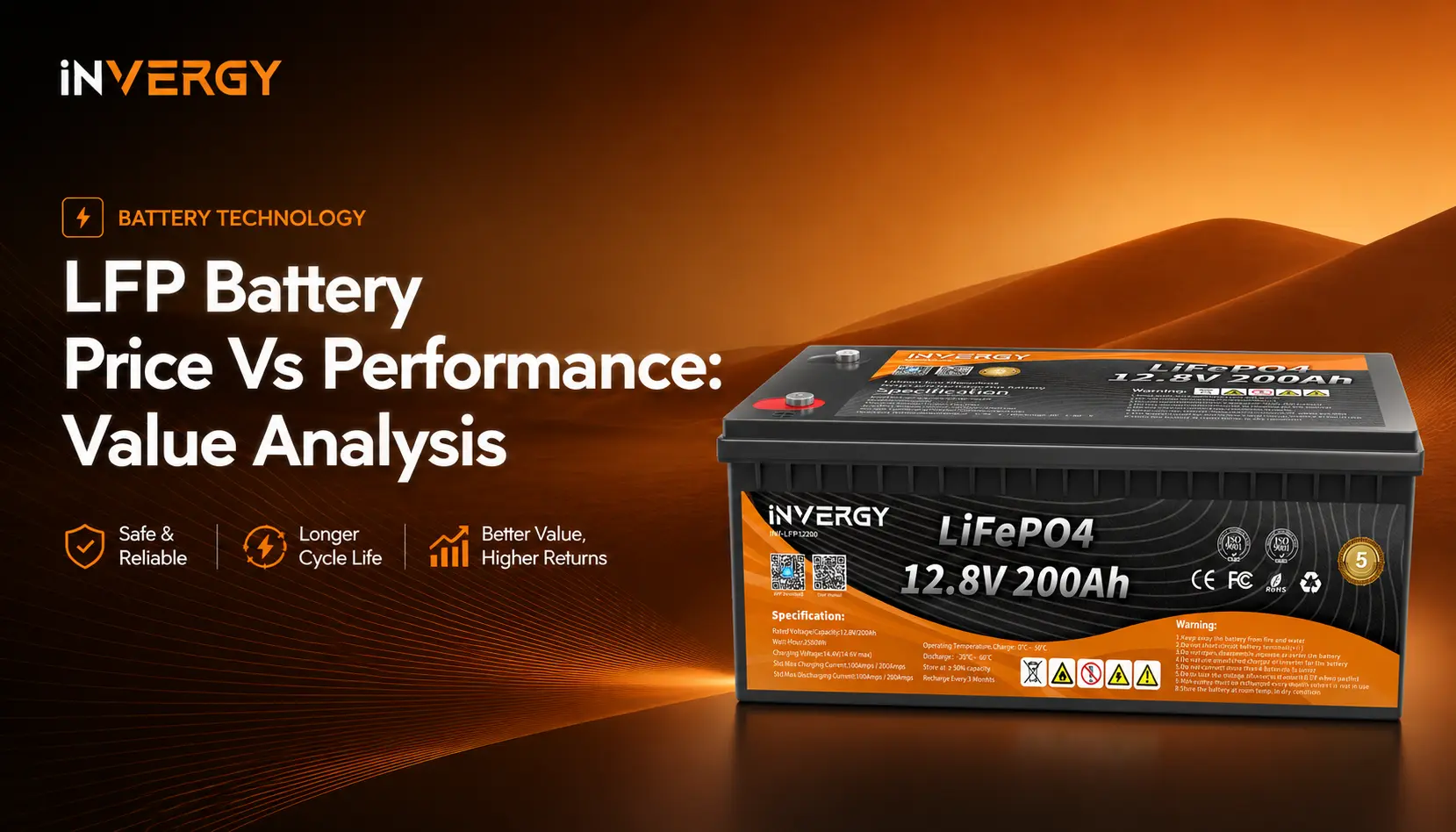
The demand for renewable energy is rising quickly, and with it comes the need for efficient energy storage. Lithium Iron Phosphate (LFP) batteries are at the center of this shift. Known for their safety, reliability, and long life, they are being widely adopted across homes, industries, and renewable energy projects.
For consumers and businesses in India, understanding LFP battery prices and performance is key to making smart energy choices. This guide explores their cost, efficiency, and why they are considered the future of energy storage.
Key Takeaways
- LFP batteries offer a compelling balance of price and performance.
- Understanding LFP battery pricing is essential for maximizing energy efficiency.
- Cost-effective energy solutions emerge as significant growth drivers in the Indian market.
- Performance analysis aids in selecting ideal battery solutions for various applications.
- Rising interest in sustainable technologies boosts demand for LFP batteries.
Understanding LFP Batteries
LFP batteries, or Lithium Iron Phosphate batteries, are a big step forward in energy storage. They are known for their safety and long life. This makes them great for many uses, like big energy storage systems.
What are LFP Batteries?
LFP batteries use Lithium Iron Phosphate as their main material. This makes them very stable and less likely to overheat. Even though they’re not as dense as others, they’re perfect for places where safety is key. They’re used in electric cars, storing renewable energy, and for the grid.
Key Characteristics of LFP Batteries
Knowing what makes LFP batteries special helps explain why they’re so popular. Here are some key points:
- Thermal Stability: They’re safer because they don’t get too hot.
- Long Cycle Life: They can last up to 2000-5000 cycles, making them very durable.
- Lower Energy Density: They’re good for places where safety is more important than being small.
- Environmental Impact: They’re better for the planet than some other lithium-ion batteries.
LFP Battery Price Factors
The cost of LFP batteries is shaped by several key elements. These include the cost of materials and the manufacturing process. Knowing these factors helps us understand the total cost of these battery technologies.
Material Costs and Supply Chain
The cost of raw materials is a big factor in LFP battery prices. The main materials are lithium, iron, and phosphate. Their prices can change due to market demand and global events.
Also, the supply chain dynamics play a role. Manufacturers face challenges in logistics, trade policies, and finding the right materials. As demand for batteries grows, having a steady supply chain for these materials becomes more critical.
Manufacturing Processes
The way LFP batteries are made also affects their price. New technologies have made production more efficient, which lowers costs. Making more batteries can also help reduce the cost per unit.
Investments in better production methods can help stabilize prices. This could lead to lower costs for consumers in the long run.
| Factor | Description | Impact on Price |
|---|---|---|
| Raw Material Costs | Costs for lithium, iron, and phosphate affecting battery materials | Highly influential, subject to market fluctuations |
| Supply Chain Dynamics | Logistics and sourcing challenges in obtaining materials | Can lead to increased production delays and costs |
| Manufacturing Innovations | Technological advancements promoting efficiency in production | Potentially lowers manufacturing costs over time |
Performance Metrics of LFP Batteries
When we talk about LFP batteries, we look at a few key things. Cycle life and depth of discharge (DoD) are two big ones. These help us see how well a battery works and if it’s good for different uses.
Cycle Life and Its Importance
Cycle life is how many times a battery can be charged and used before it starts to lose power. LFP batteries are known for lasting a long time, which is great for people who want batteries that last. This means you won’t have to replace the battery as often, saving you money in the long run.
Depth of Discharge (DoD) Explained
Depth of discharge (DoD) shows how much of the battery’s power has been used. Knowing this is important because it affects how long the battery lasts and how well it works. LFP batteries can handle deeper discharges without losing their life as quickly. Using the battery wisely helps it last longer and work better.
| Performance Metric | Definition | Impact on Battery |
|---|---|---|
| Cycle Life | Number of charge-discharge cycles before capacity loss | Longer life equates to lower replacement costs |
| Depth of Discharge (DoD) | Percentage of capacity used | Affects longevity and efficiency of battery use |
LFP Battery Price vs Performance
Looking at the price and performance of LFP batteries shows us their value. This part talks about how these batteries stack up against their cost. It helps us see the long-term benefits of both expensive and affordable models.
Analyzing Cost-Effectiveness
Cost-effectiveness is key when we talk about LFP batteries. Prices can differ, but it’s important to compare their performance and how long they last. Better batteries have longer lifespans and can handle heat better, making them useful in many areas.
Choosing the more expensive options might seem pricey at first. But, they can save money in the long run because they last longer.
Return on Investment: High vs Low Priced Options
Looking at the ROI of LFP batteries shows different benefits for each price level. The pricier batteries often offer a better return because of their advanced tech. This tech makes them last longer and work more efficiently.
But, cheaper batteries might seem like a good deal at first. They can cost more over time because they don’t last as long or perform as well. It’s important to think carefully about what you’re getting for your money when picking LFP batteries.
Per kWh Cost of LFP Batteries
The cost of LFP batteries per kWh is key to their market appeal. It’s not just the initial price but also how they use energy over time. Different factors like manufacturing and supply chains affect costs. This helps users choose the right battery for their needs.
Breaking Down Costs and Usage
Understanding the cost of LFP batteries per kWh requires looking at several parts. These include:
- Raw material costs, which greatly affect the price.
- Manufacturing costs, influenced by scale and technology.
- Logistics and distribution costs, impacting availability.
Energy usage patterns show how well these batteries work over time. LFP batteries often use less energy than others. This can save a lot of money in the long run.
Comparative Analysis with Other Battery Types
Comparing LFP batteries to others like NMC and lead-acid is important. The table below shows key differences in cost and efficiency:
| Battery Type | Per kWh Cost (INR) | Energy Efficiency (%) | Cycle Life (Number of Charges) |
|---|---|---|---|
| LFP | 8,000 | 90 | 2,000 |
| NMC | 10,000 | 95 | 1,500 |
| Lead-Acid | 6,000 | 70 | 1,000 |
This comparison shows LFP batteries might not always be the cheapest. But they are very efficient and last longer. This makes them a good choice for many uses.
Bankability of LFP Batteries
The bankability of LFP batteries is key to their success in the energy sector. Investors want solid metrics to judge their worth. As demand rises, it’s vital to keep up with market trends.
Understanding Investment Pote
LFP batteries are known for their dependability and safety. This makes them appealing for many energy uses. Their value is seen in growing production and a bigger market in India.
Companies investing in research boost these technologies’ worth. The focus on sustainability also makes them more attractive. This opens doors for investors who think ahead.
Market Trends and Future Projections
Energy market trends are moving towards cleaner, sustainable options. This boosts LFP battery adoption. Government support for renewables drives up demand for efficient storage.
Experts predict a big increase in market share. Advances in tech will make production cheaper. It’s important for the industry to stay alert to these chances and focus on LFP’s bankability.
Case Studies in India
India has seen a big move towards using LFP battery technology. This move has been successful in many areas, like renewable energy, transportation, and storing energy for the grid. These examples show how LFP batteries are changing the energy game in India.
Successful Implementations
In India, many projects have shown the real benefits of LFP batteries. Solar farms use them to store energy well, making sure there’s power when it’s needed most. Electric car makers also use LFP batteries to make their cars better and cheaper.
These successes show how LFP batteries can be used in many ways. They are helping India move towards cleaner energy.
Lessons Learned from the Indian Market
From these projects, we’ve learned a lot. One key thing is that technology needs to fit with what’s already there. Making sure it works with existing systems is very important.
Training people and working well with local businesses are also key. These steps help make using LFP batteries a success. They offer important advice for anyone thinking about using these batteries in the future.
| Sector | Project Name | Key Features | Outcome |
|---|---|---|---|
| Renewable Energy | Solar Power Plant in Rajasthan | Energy storage for peak demand | Improved reliability of energy supply |
| Transportation | Electric Bus Initiative | Use of LFP batteries in electric buses | Reduced operational costs |
| Grid Storage | Battery Storage for Wind Farms | Integration with wind energy | Enhanced energy management |
Market Challenges and Opportunities
The market for LFP batteries in India is both challenging and full of opportunities. This is due to changes in rules and new technologies. As more people look for green energy, it’s key to understand the rules of the game for the industry.
Regulatory Considerations
The rules set by the government are key to how fast LFP batteries can be made and used. Policies for clean energy offer both help and obstacles for makers. They must follow safety rules, get materials in a green way, and meet local production goals.
Figuring out how to deal with these rules can open up new chances in the market.
Technological Innovations Shaping the Future
New tech is changing what LFP batteries can do. Better ways to make them make them cheaper and more efficient. This lets them be used in more places.
Work on making batteries charge faster and last longer is also exciting. These tech advances could solve many current problems. They could make a strong place for LFP batteries to grow and be used.
Conclusion
LFP batteries are more than just storage—they are the backbone of a greener energy future. They deliver safety, long life, and cost-effectiveness, making them ideal for India’s growing renewable energy sector.
By choosing Invergy’s advanced LFP battery solutions, businesses and homeowners can enjoy reliable energy, long-term savings, and a step closer to sustainability.
FAQ
What is the average cycle life of LFP batteries?
LFP batteries last between 2,000 to 5,000 cycles. This depends on how they’re used and the environment. Their long life makes them great for many uses.
What does Depth of Discharge (DoD) mean?
Depth of Discharge (DoD) shows how much of a battery’s capacity is used. For LFP batteries, using 80-90% is best. This keeps them working well for longer.
How do LFP batteries compare in per kWh cost to other battery types?
LFP batteries cost less per kWh than some others, like NMC. They’re affordable and perform well. This makes them a smart choice for big energy storage needs.
Why is bankability important for LFP batteries?
Bankability shows if investing in LFP batteries is smart. It depends on demand, lifespan, and tech improvements. These factors help investors feel confident.
What are some successful implementations of LFP battery technology in India?
In India, LFP batteries are used in renewable energy, electric vehicles, and grid projects. They show how versatile and effective LFP batteries are.
What challenges does the LFP battery market face in India?
Challenges include rules and competition from other batteries. But, these also open doors for new ideas and growth.

Invergy