
The importance of safety in battery technology cannot be overstated, especially when it comes to LiFePO4 batteries. These batteries are renowned for their reliability and safety, thanks to advanced features that protect against potential hazards.
Invergy, a leading manufacturer, has integrated multiple safety features into their LiFePO4 batteries, including a sophisticated Battery Management System (BMS) that monitors and controls the battery’s operation. Additionally, their batteries are equipped with fire protection mechanisms to prevent accidents.
This article will delve into the specifics of these safety features, exploring the certifications that validate their effectiveness and the technology behind them.
Key Takeaways
- LiFePO4 batteries are designed with safety in mind, featuring advanced protection mechanisms.
- Invergy’s BMS ensures optimal battery performance and safety.
- Fire protection features are integrated into LiFePO4 batteries to minimize risk.
- Certifications validate the safety and reliability of LiFePO4 batteries.
- Understanding LiFePO4 safety features is crucial for their safe application.
What Makes LiFePO4 Batteries Inherently Safer
LiFePO4 batteries are recognized for their superior safety profile compared to other lithium-ion batteries. This is primarily due to their chemical composition and structural advantages.
Chemical Composition and Structural Advantages
The chemistry behind LiFePO4 batteries provides a stable foundation that reduces the risk of overheating and combustion. Their olivine structure is particularly resistant to thermal degradation.
Thermal Stability Compared to Other Lithium Chemistries
LiFePO4 batteries exhibit superior thermal stability, which is crucial for safety. This stability is attributed to their:
- Wide Temperature Tolerance Range: LiFePO4 batteries operate safely across a broad temperature range.
- Resistance to Thermal Runaway: The robust chemistry of LiFePO4 batteries minimizes the risk of thermal runaway, a dangerous condition where the battery overheats uncontrollably.
Temperature Tolerance Ranges
LiFePO4 batteries can operate effectively between -20°C and 45°C, making them suitable for various environments.
Resistance to Thermal Runaway
The stable chemical structure of LiFePO4 batteries significantly reduces the risk of thermal runaway, enhancing overall safety.
In summary, the inherent safety of LiFePO4 batteries is a result of their stable chemical composition, structural advantages, and superior thermal stability, making them a safer choice for various applications.
The Evolution of LiFePO4 Battery Safety Technology
LiFePO4 battery safety has evolved substantially, driven by innovations in material science and design. Over the years, the industry has addressed historical safety challenges through significant advancements.
Historical Safety Challenges in Battery Storage
Early battery storage solutions faced numerous safety challenges, including thermal instability and the risk of electrical shorts. These issues were particularly pronounced in lithium-ion batteries that used chemistries other than LiFePO4.
Key Innovations That Enhanced Safety
The development of LiFePO4 batteries has been marked by crucial safety improvements. Material science breakthroughs and design improvements have played a pivotal role in enhancing safety.
Material Science Breakthroughs
Advances in material science have led to more stable battery chemistries.
Design Improvements
Design enhancements, such as improved cell balancing and thermal management, have further reduced safety risks.
Battery Management Systems: The Brain of Safe LiFePO4 Batteries
At the heart of every safe LiFePO4 battery lies a sophisticated Battery Management System (BMS). This critical component is responsible for ensuring the battery operates within safe parameters, thereby preventing potential hazards.
How BMS Monitors and Protects Each Cell
The BMS continuously monitors the state of each cell within the battery pack, checking for parameters such as voltage, current, and temperature. By doing so, it can prevent any cell from operating outside its safe operating area.
Voltage, Current, and Temperature Protection
Voltage protection prevents overcharging or deep discharging, both of which can significantly reduce battery lifespan. Current protection safeguards against excessive current draw, which can cause overheating. Meanwhile, temperature protection ensures the battery operates within a safe temperature range, mitigating the risk of thermal-related incidents.
| Protection Type | Description | Benefit |
|---|---|---|
| Voltage Protection | Prevents overcharging or deep discharging | Extends battery lifespan |
| Current Protection | Safeguards against excessive current draw | Reduces risk of overheating |
| Temperature Protection | Ensures operation within a safe temperature range | Mitigates thermal-related risks |
Invergy’s Advanced BMS Technology
Invergy’s BMS technology stands out for its advanced features, including real-time monitoring and automatic shutdown capabilities.
Real-time Monitoring Capabilities
Invergy’s BMS provides real-time data on battery performance, enabling users to make informed decisions about battery usage and maintenance.
Automatic Shutdown Features
In the event of an anomaly, the BMS can automatically shut down the battery to prevent any potential hazards, ensuring the safety of both the battery and the user.
Understanding Thermal Runaway and Prevention Mechanisms
Understanding thermal runaway is crucial for ensuring the safety and reliability of LiFePO4 battery systems. Thermal runaway is a condition where a battery cell overheats, potentially leading to a fire or explosion. This phenomenon can be triggered by various factors, including internal short circuits, overcharging, or external heat sources.
The Science Behind Thermal Runaway
Thermal runaway occurs when a battery cell’s internal temperature exceeds its safe operating range, causing a chain reaction that further increases the temperature. This can lead to a rapid escalation of heat, potentially resulting in a catastrophic failure. The LiFePO4 battery chemistry is generally more stable than other lithium-ion chemistries, but it’s not entirely immune to thermal runaway.
Early Detection Systems
Early detection systems play a critical role in preventing thermal runaway. These systems monitor the battery’s temperature, voltage, and current in real-time, allowing for swift intervention if any anomalies are detected. Some common early detection methods include:
- Temperature sensors
- Voltage monitoring systems
- Current sensing devices
Invergy’s Multi-layered Thermal Management
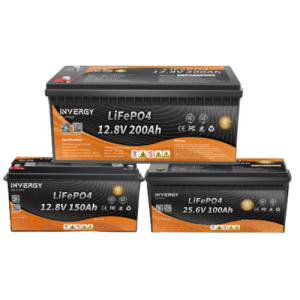
Invergy’s LiFePO4 batteries incorporate a multi-layered thermal management system to prevent thermal runaway. This includes:
Heat Dissipation Design
The battery cells are designed with a heat dissipation structure that allows for efficient cooling, reducing the risk of overheating.
Emergency Response Protocols
Invergy has implemented emergency response protocols that can quickly respond to potential thermal runaway events, minimizing damage and ensuring safety.
By understanding thermal runaway and implementing effective prevention mechanisms, users can significantly enhance the safety of their LiFePO4 battery systems.
Protection Circuits That Safeguard Your LiFePO4 Battery
LiFePO4 batteries rely on sophisticated protection circuits to ensure their safe operation and longevity. These circuits are designed to prevent common issues that could lead to battery damage or failure.
Overcurrent and Overvoltage Protection
Overcurrent and overvoltage protection are critical components of LiFePO4 battery safety. These protection mechanisms prevent the battery from operating outside its safe operating range, thereby reducing the risk of overheating, explosion, or fire. By limiting the current and voltage, these circuits ensure that the battery cells are not subjected to excessive stress.
Short Circuit Prevention Technology
Short circuit prevention technology is another vital aspect of LiFePO4 battery protection. This technology detects and responds to short circuits by isolating the affected cells or interrupting the circuit. This rapid response prevents the potentially catastrophic consequences of a short circuit, such as a fire or explosion.
Cell Balancing Systems
Cell balancing systems are essential for maintaining the health and performance of LiFePO4 batteries. These systems ensure that all cells within the battery pack are charged and discharged evenly, preventing any single cell from becoming overcharged or undercharged.
Passive vs. Active Balancing
There are two primary approaches to cell balancing: passive and active balancing. Passive balancing involves dissipating excess energy from fully charged cells as heat, while active balancing redistributes energy from cells with higher voltage to those with lower voltage. Each method has its advantages and is suited to different applications.
Invergy’s Proprietary Balancing Algorithms
Invergy’s proprietary balancing algorithms represent a significant advancement in cell balancing technology. These algorithms optimize the balancing process by continuously monitoring cell voltages and adjusting the balancing current as needed. This approach ensures that the battery pack remains balanced and operates within safe limits, enhancing overall performance and longevity.
| Protection Mechanism | Description | Benefits |
|---|---|---|
| Overcurrent Protection | Limits current to prevent overheating | Reduces risk of explosion or fire |
| Overvoltage Protection | Prevents voltage from exceeding safe limits | Protects against cell damage |
| Short Circuit Prevention | Detects and isolates short circuits | Prevents catastrophic failure |
| Cell Balancing | Ensures even charging and discharging | Enhances battery performance and longevity |
Fire Protection Features in Modern Battery Systems
The integration of advanced fire protection features is crucial in modern LiFePO4 battery systems. As the demand for safer batteries continues to grow, manufacturers like Invergy are at the forefront of developing innovative fire protection technologies.
Fire-Resistant Materials and Containment
One of the key strategies in preventing battery fires is the use of fire-resistant materials and containment systems. These materials are designed to withstand high temperatures and prevent the spread of fire. By incorporating fire-resistant components, LiFePO4 batteries significantly reduce the risk of thermal incidents.
Flame-Retardant Electrolytes
Another critical aspect of fire protection in LiFePO4 batteries is the use of flame-retardant electrolytes. These electrolytes are formulated to suppress the combustion process, thereby reducing the risk of fire. This technology is a significant advancement in enhancing the overall safety of battery systems.
Invergy’s Fire Protection Innovations
Invergy has made significant strides in fire protection technology, incorporating multiple layers of safety into their LiFePO4 batteries. Two notable innovations include:
Multi-layer Physical Barriers
Invergy’s batteries feature multi-layer physical barriers that provide additional protection against thermal incidents. These barriers are designed to contain potential fires, preventing them from spreading and causing further damage.
Thermal Fuses and Cutoffs
The use of thermal fuses and cutoffs is another critical safety feature in Invergy’s LiFePO4 batteries. These components are designed to disconnect the battery in the event of excessive heat, thereby preventing thermal runaway and potential fires.
By integrating these advanced fire protection features, Invergy’s LiFePO4 batteries offer a robust safety profile, aligning with stringent standards like IEC62619. This commitment to safety underscores Invergy’s position as a leader in the development of secure and reliable battery technology.
Safety Certifications: What They Mean for LiFePO4 Batteries
Certifications like IEC62619 play a vital role in validating the safety of LiFePO4 batteries. These certifications are not just mere compliance; they are a testament to the rigorous testing and adherence to international safety standards that LiFePO4 batteries undergo.
The importance of safety certifications cannot be overstated. They provide assurance to consumers and businesses that the batteries they are using are safe, reliable, and perform under various conditions.
IEC62619 Standard Explained
The IEC62619 standard is a critical certification for LiFePO4 batteries, focusing on safety requirements for lithium-ion batteries and battery systems. This standard ensures that batteries are designed and tested to withstand normal and abnormal conditions, minimizing the risk of safety incidents.
Key aspects of IEC62619 include:
- Electrical safety tests
- Mechanical safety tests
- Environmental safety tests
UL and CE Certification Requirements
UL (Underwriters Laboratories) and CE (Conformité Européene) certifications are other critical safety marks that LiFePO4 batteries must adhere to. UL certification involves rigorous testing for safety against electrical shock, fire, and other hazards. CE marking indicates compliance with EU health, safety, and environmental protection standards.
| Certification | Focus Area | Geographical Relevance |
|---|---|---|
| IEC62619 | Safety requirements for lithium-ion batteries | International |
| UL | Safety against electrical shock, fire | Primarily North America |
| CE | Health, safety, and environmental protection | European Union |
Invergy’s Comprehensive Certification Portfolio
Invergy’s LiFePO4 batteries have achieved a comprehensive portfolio of safety certifications, including IEC62619, UL, and CE. This achievement underscores Invergy’s commitment to safety and reliability.
Testing Procedures
Invergy’s batteries undergo rigorous testing, including electrical, mechanical, and environmental tests, to ensure compliance with these certifications.
Performance Under Extreme Conditions
The batteries are also tested under extreme conditions to validate their performance and safety in real-world scenarios.
In conclusion, safety certifications are a critical aspect of LiFePO4 battery technology, ensuring that batteries are safe, reliable, and perform as expected. Invergy’s adherence to these certifications highlights its dedication to delivering high-quality, safe battery solutions.
Invergy’s LiFePO4 Battery Safety Features Showcase
Invergy’s LiFePO4 batteries represent a significant advancement in battery safety, thanks to their proprietary technologies and rigorous testing protocols.
Proprietary Safety Technologies
Invergy has developed several proprietary safety technologies that enhance the reliability and performance of their LiFePO4 batteries. These include advanced battery management systems and thermal management solutions that work together to prevent overheating and ensure optimal operating conditions.
Case Studies: Safety Performance in Real-world Applications
Invergy’s LiFePO4 batteries have been deployed in a variety of real-world applications, demonstrating their safety and reliability in challenging environments. For example, in residential installations, Invergy’s batteries have proven to be highly reliable, with minimal downtime and exceptional safety records.
Residential Installations
In residential settings, Invergy’s LiFePO4 batteries have been praised for their safety and ease of use. Homeowners appreciate the peace of mind that comes with knowing their energy storage systems are designed with safety in mind.
Commercial Applications
In commercial applications, Invergy’s LiFePO4 batteries have demonstrated their ability to withstand demanding conditions, including high temperatures and heavy usage. This makes them an ideal choice for businesses looking for reliable energy storage solutions.
Customer Testimonials on Safety Reliability
Customers who have installed Invergy’s LiFePO4 batteries consistently praise their safety and reliability. Whether in residential or commercial settings, Invergy’s batteries have earned a reputation for being among the safest and most reliable on the market.
Installation Best Practices for Maximum Safety
Maximizing LiFePO4 battery safety begins with understanding and implementing proper installation techniques. A well-installed battery system not only ensures the longevity of the battery but also safeguards against potential hazards.
Environmental Considerations
When installing LiFePO4 batteries, it’s crucial to consider the environmental conditions. The installation site should be away from direct sunlight, moisture, and extreme temperatures. Ensuring good ventilation is also vital to prevent overheating.
Proper Mounting and Ventilation
Proper mounting is essential to prevent physical damage to the battery. The battery should be securely fastened to prevent movement. Additionally, adequate ventilation must be provided to dissipate heat generated during charging and discharging.
Integration with Existing Systems
When integrating LiFePO4 batteries with existing systems, compatibility is key. This includes ensuring that the battery management system (BMS) is compatible with the inverter and other components.
Inverter Compatibility
The inverter must be compatible with the LiFePO4 battery’s voltage and current ratings. Incompatibility can lead to inefficient charging or discharging, potentially causing safety issues.
Grounding Requirements
Proper grounding is essential for safety. The battery system should be grounded according to the manufacturer’s instructions and local electrical standards to prevent electrical shock.
| Installation Aspect | Best Practice |
|---|---|
| Environmental Conditions | Avoid direct sunlight, moisture, and extreme temperatures |
| Mounting | Securely fasten the battery to prevent movement |
| Ventilation | Ensure adequate ventilation to dissipate heat |
| Inverter Compatibility | Match voltage and current ratings with the battery |
| Grounding | Follow manufacturer’s instructions and local electrical standards |
The Future of LiFePO4 Battery Safety Technology
LiFePO4 battery safety technology is poised for significant breakthroughs in the coming years. As the demand for safer and more efficient energy storage solutions grows, manufacturers like Invergy are at the forefront of innovation.
Emerging Safety Innovations
New safety innovations are being developed to address the evolving needs of the energy storage market. These include advanced materials and designs that enhance thermal stability and prevent overheating.
Invergy’s Research and Development Focus
Invergy is committed to pushing the boundaries of LiFePO4 battery safety through continuous research and development. Their focus includes improving cell chemistry and enhancing battery management systems.
Smart Integration and IoT Monitoring
The integration of smart technologies and IoT monitoring is revolutionizing LiFePO4 battery safety. This allows for real-time monitoring and predictive maintenance.
Remote Diagnostics
Remote diagnostics enable technicians to assess battery health and performance from anywhere, reducing the need for physical inspections.
Predictive Failure Analysis
Predictive failure analysis uses data analytics to forecast potential failures, allowing for proactive maintenance and minimizing downtime.
| Safety Feature | Description | Benefit |
|---|---|---|
| Advanced Materials | New materials that enhance thermal stability | Reduced risk of overheating |
| IoT Monitoring | Real-time monitoring of battery performance | Improved safety and reduced maintenance |
| Predictive Analytics | Data analytics to predict potential failures | Minimized downtime and enhanced reliability |
Conclusion: Why Safety Should Drive Your Battery Choice
When selecting a LiFePO4 battery, safety should be your top priority. As discussed throughout this article, LiFePO4 batteries offer inherent safety advantages due to their chemical composition and structural design. Invergy’s commitment to safety is evident in its advanced Battery Management Systems, thermal management, and protection circuits.
The importance of safety certifications, such as IEC62619, UL, and CE, cannot be overstated. These certifications ensure that LiFePO4 batteries meet rigorous safety standards. By choosing a battery with comprehensive safety features and certifications, you can minimize risks and ensure reliable performance.
Ultimately, your lifepo4 battery choice should be driven by a thorough understanding of its safety features. By prioritizing safety, you can enjoy the benefits of LiFePO4 technology while protecting your investment and ensuring the well-being of users. Whether for energy storage or other applications, making an informed battery choice is crucial for long-term satisfaction and safety.

0 Comments