
The market for lithium iron phosphate (LFP) batteries is growing fast in India. This is because more industries are using these batteries for green energy and electric cars. It’s key to know the price differences between buying from local makers and those from abroad.
The price of batteries in India changes for many reasons. Knowing the good and bad of both choices helps buyers make smart picks. This guide will help you understand how prices impact both personal choices and the economy.
Key Takeaways
- The demand for LFP batteries in India is on the rise, influencing pricing trends.
- Understanding the cost differences between domestic and imported options is key.
- Many factors, like raw materials and production costs, affect battery prices.
- What consumers want shapes the market.
- Looking at warranties and performance is vital for buyers.
- Supporting local makers helps the local economy.
The Growing Demand for LFP Batteries in India
In India, the demand for lfp batteries is growing fast. This change shows a big shift in what people want and how industries use them. LFP batteries are known for being safe and lasting a long time. They are becoming popular in electric cars and systems that store energy.
Understanding LFP Batteries and Their Applications
LFP batteries are special because they have a lot of energy and are very stable. This makes them great for many uses. Here are some main ways they are used:
- Electric Vehicles (EVs): The car industry is choosing lfp batteries because they last longer and don’t overheat as much.
- Energy Storage Systems: As more people use solar and wind power, lfp batteries are a reliable way to store that energy.
- Consumer Electronics: Laptops and phones are using lfp batteries because they work well and are safe.
Market Trends Affecting Battery Prices
There are a few big trends in the battery market in India that affect prices. Government support for green energy and more people wanting sustainable tech are making lfp batteries more popular. Some key factors include:
Factors Influencing LFP Battery Prices
LFP battery prices are influenced by many factors. These can change a lot based on the market. Knowing what affects prices helps both consumers and businesses.
Raw Material Costs and Their Impact
The cost of raw materials is a big factor in LFP battery prices. The prices of lithium, iron, and phosphate are key. If the demand for lithium goes up, for example, costs can rise.
This can make the final price of batteries go up too. It shows how important the supply chain is.
Manufacturing and Production Expenses
How batteries are made also affects their price. Things like new technology and labor costs matter a lot. Investing in better technology can lower costs over time.
But, using more labor can make prices go up. All these factors play a role in the price of LFP batteries. They show the challenges and chances in the battery world.
Invergy LFP Battery Price Analysis
Looking into Invergy’s LFP battery prices gives us important insights. It helps us see how prices differ between domestic and imported options. This knowledge is key for making the right choice when picking batteries for different uses.
Domestic Pricing Overview
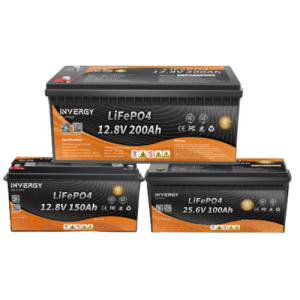
Local makers, like Invergy, set prices that fit the Indian market well. The Invergy LFP battery prices start at INR 15,000 and go up to INR 30,000. This range depends on the battery’s features and how much power it holds. Their goal is to make these batteries more affordable and encourage more people to use them.
Imported Pricing Insights
Imported LFP batteries have different prices compared to those made locally. They cost between INR 20,000 and INR 40,000. This price difference comes from shipping costs, tariffs, and demand from other countries. These batteries might have extra features, but they might not be worth the extra cost for everyone.
To sum up, knowing the prices of Invergy’s LFP batteries helps buyers make better choices. By comparing these prices to what they need, buyers can make smart decisions in the battery market.
Comparative Overview: Domestic vs Imported LFP Batteries
The market for LFP batteries is getting more competitive. This makes it important to compare domestic and imported LFP batteries. Knowing the price differences helps both consumers and manufacturers.
Looking at what affects prices can help us understand the impact of supply chains. This knowledge is key to making informed choices.
Price Differences and Key Takeaways
The price differences lfp batteries show big differences between domestic and imported ones. Domestic LFP batteries are usually cheaper because of lower costs for making and shipping them. Imported batteries, on the other hand, might cost more because of brandinvergy names and new technologies.
But, prices can change a lot because of things like exchange rates and tariffs. This makes it hard for buyers to find the best deal.
Supply Chain and Logistics Impact on Pricing
The supply chain impact on battery prices is huge. Domestic makers have shorter supply chains, which means they can work more efficiently and avoid delays. Imported batteries, though, might take longer to arrive because of shipping and customs.
This can make them more expensive. Other things like shipping costs and fuel prices also affect prices. These factors are important for buyers to consider.
Warranty and Performance Considerations
When looking at LFP batteries, it’s important to consider warranty terms and performance. These factors help you pick the best battery for your needs. Let’s dive into warranty terms and compare battery performance to see how domestic and imported options differ.
Understanding Warranty Terms for Domestic Batteries
Domestic batteries usually have good warranty terms. This shows their reliability and quality. Here are some common warranties:
- Warranty duration is usually 2 to 5 years.
- They cover manufacturing defects and performance problems.
- Some offer extended warranties for extra peace of mind.
These warranties show a commitment to making customers happy and ensuring their batteries last long. It makes users feel confident in their choice.
Performance Metrics: Domestic vs Imported
It’s key to compare battery performance to see the differences between domestic and imported ones. Important metrics include:
| Performance Metric | Domestic Batteries | Imported Batteries |
|---|---|---|
| Cycle Life | 3000–5000 cycles | 2000–4000 cycles |
| Efficiency | 90%–95% | 85%–90% |
| Temperature Tolerance | -20°C to 60°C | -10°C to 50°C |
Domestic batteries often last longer and are more efficient. This means they can save you money in the long run. So, if you want a reliable energy source, domestic batteries might be the better choice.
Advantages of Domestic LFP Batteries
Choosing domestic LFP batteries has many benefits for both consumers and the community. Buying locally supports the local economy and makes logistics more efficient. This section will explore the advantages of investing in domestic battery production.
Supporting Local Economy
Buying domestic LFP batteries helps the local economy a lot. It creates jobs and boosts local manufacturing. As more people choose domestic batteries, the market grows. This encourages innovation and more economic growth.
Shorter Supply Chain and Faster Delivery Times
Domestic batteries have a shorter supply chain. This means less delay compared to imported batteries. Fast delivery of LFP batteries makes customers happier. Quick access to these batteries also speeds up the adoption of renewable energy.
Challenges with Imported LFP Batteries
Bringing LFP batteries into India comes with its own set of challenges. These can affect how much you pay and when you can get them. Issues like delays in shipping and extra customs costs are common. Knowing about these can help you make better choices when buying batteries.
Potential Delays in Logistics
The trip of LFP batteries from makers to buyers in India can be long. Things like how they’re moved, handled, and processed at ports can slow things down. These delays can make it harder for stores to keep batteries in stock, affecting when you can buy them.
Bad weather or busy ports can make things even worse. This adds more uncertainty for everyone involved.
Customs and Duty Costs
There are also customs costs to think about when importing LFP batteries. These costs depend on the battery’s details, how many are shipped, and current rules. These costs can make imported batteries seem pricier than ones made locally.
As taxes and duties change, it’s key to understand these costs. This helps you make smart financial decisions when buying batteries.
Consumer Preferences: Domestic vs Imported
The market for LFP batteries is changing fast. What people want to buy is key to these changes. Many are choosing local products because they want quality, reliability, and strong warranties. This shows a growing support for local makers and a desire for top-notch products.
Trends in Consumer Buying Behavior
Consumer choices in the battery market are influenced by bigger trends. People now think about the emotional and practical sides of buying things. They care about the environment, how well products work, and customer support.
Many prefer local LFP batteries because they meet their needs for durability and efficiency. This trend shows a rise in loyalty to brands that share these values.
Importance of Brand Trust and Reliability
Trust in a brand is very important when buying batteries. When deciding between local and imported LFP batteries, trust in a brand matters a lot. Trust means confidence in how long a product lasts and in customer service.
Local brands often get more loyalty because they are seen as responsive and supportive. Businesses that focus on being open and ensuring quality will likely grow more.
Conclusion
In this summary, we looked at LFP battery prices from different angles. We saw how demand in India is growing. This demand is influenced by many things like raw materials and how they’re made.
Domestic batteries help local economies and are faster to get. But, imported batteries might have their own perks and problems. These include possible delays and extra costs for customs.
When choosing, it’s important to know the differences. We should think about how well they work, their warranties, and the company’s reputation. This way, we can pick the best one for us and help our community.
The market is always changing. Keeping up with trends and prices helps us make good choices. It’s about finding a balance between cost, reliability, and supporting local businesses in India’s LFP battery world.
0 Comments