
India is moving towards cleaner energy, and hybrid inverters are key in EPC projects. The price of hybrid inverters affects the project cost. It’s vital for EPC contractors to know the latest prices and cost-saving options.
The need for hybrid inverters is growing. This shows a move towards greener energy. It helps businesses use energy better and save money.
Knowing how much hybrid inverters cost helps with planning. It makes sure EPC projects in India succeed. We’ll look at what affects the price and how it impacts project costs.
Key Takeaways
- Hybrid inverter price significantly impacts project cost in EPC projects.
- Staying informed about current pricing trends is vital for EPC contractors.
- Hybrid inverters promote sustainable energy solutions in various sectors.
- Cost-efficient solutions can make projects more feasible.
- Understanding price factors helps with budgeting for EPC projects.
Understanding Hybrid Inverter Technology
Hybrid inverter technology is a big step forward in energy solutions. It combines traditional electric grids with renewable energy sources. These systems handle inputs from solar and wind power, making them more efficient.
Hybrid inverters are designed to work with both alternating current (AC) and direct current (DC). This lets them connect renewable energy systems with the grid. Users can use their renewable energy when it’s available and the grid when needed.
New trends in inverter technology focus on better efficiency and energy management. Modern hybrid inverters have features like real-time monitoring and smart grid compatibility. These advancements help use renewable energy more effectively and cut down on fossil fuel use.
Hybrid inverter technology is key to a sustainable future in renewable energy. It helps mix different energy sources and lowers energy costs for everyone.
Importance of Hybrid Inverters in EPC Projects
Hybrid inverters are key to EPC projects’ success, helping move towards sustainable energy. They mix different energy sources into one system, making energy use better. This is what modern projects want.
These inverters do more than just make energy. They also cut down on costs. This is a big plus for any project.
Hybrid inverters make energy supply more reliable. This is important for projects that need steady power. As the world moves towards cleaner energy, these inverters fit right in.
Using hybrid inverters supports a system where energy comes from many sources. This includes solar, wind, and the grid. It means using less fossil fuels, which is good for the planet and saves money.
Hybrid inverters are vital in EPC projects. They lead to better energy management, meeting both economic and environmental goals. Choosing hybrid inverters shows a commitment to green projects.
Factors Affecting Hybrid Inverter Price
The cost of hybrid inverters depends on several key factors. Technological improvements are a big factor; newer models often have better energy management. This can make the price go up. Also, the type of battery you choose can impact both cost and performance.
Market conditions also play a big role in pricing. When demand goes up, prices tend to rise, often due to limited supply. Changes in the cost of parts, like semiconductors, also affect the price. Knowing these factors affecting price helps managers plan their budgets better.
| Factor | Description | Impact on Price |
|---|---|---|
| Technological Advancements | Integration of smart features and enhanced efficiency | Higher due to R&D investments |
| Battery Compatibility | Suitability with various battery types | Varies; some options are more premium |
| Energy Management Capabilities | Advanced functionalities like load management | Increases overall cost |
| Market Demand | Level of interest in hybrid inverters | Price often rises with high demand |
| Supply Chain Constraints | Challenges in obtaining materials | Can drive prices up |
| Component Costs | Prices of essential parts fluctuate | Directly correlates with overall pricing |
Comparative Analysis of Hybrid Inverter Prices
In the fast-changing market for hybrid inverters, knowing the prices is key for project managers. A detailed look shows how prices differ based on features, technology, and demand. This helps in making smart choices.
Comparing prices from top suppliers in India is important. Brands like iNVERGY, Tata Power, Luminous, and Vikram Solar offer various models. Each model has its own price due to its unique features. Here’s a table showing the prices of different hybrid inverters:
| Brand | Model | Power Rating (kW) | Price (INR) | Key Features |
|---|---|---|---|---|
| iNVERGY | Commercial Hybrid Range | 5–20 kW | Project-based pricing | EPC-optimized, robust design |
| Tata Power | PV-3000 | 3 kW | 75,000 | Smart monitoring, modular design |
| Luminous | Solar Hybrid 1500 | 1.5 kW | 45,000 | Compact size, easy installation |
| Vikram Solar | VS-5000 | 5 kW | 90,000 | High efficiency, remote monitoring |
| Renusol | R-3500 | 3.5 kW | 80,000 | Durability, extensive warranty |
This analysis helps project managers understand the costs of each option. It guides them in making choices that fit their budgets and goals.

Financing Options for Hybrid Inverter Purchases
Looking into financing options can greatly affect the cost of hybrid inverters. There are many ways to manage project costs. This makes it easier to find a financing plan that fits your budget.
Government incentives are a big help. They offer rebates or grants for using renewable energy. These incentives can reduce the upfront cost of buying hybrid inverters. It’s important for EPC contractors to check out these incentives at local and national levels.
Bank loans are another good choice. Many banks have loans just for buying energy-saving gear. It’s key to compare interest rates, loan terms, and payment plans. This helps keep your cash flow steady throughout the project.
Leasing is also becoming more popular. It lets you use hybrid inverters without a big upfront cost. Monthly payments can fit into your project budget. Knowing the total cost of leasing versus buying is important for making the right choice.
In the end, picking the right financing option needs careful thought. Getting advice from financial experts can help. They can guide you to the best financing for your hybrid inverter needs. This ensures your project stays on track financially and meets your goals.
Large-Scale EPC Procurement Strategies
Large-scale procurement is key in EPC projects. It helps make the process more efficient. This can save time and money.
Bulk purchasing can save a lot of money. Buying in large quantities means better prices. Long-term contracts also help keep things stable, making sure supplies keep coming on time.
Working with trusted suppliers is also important. It helps share risks and makes communication easier. Clear roles and expectations in these partnerships lead to better results.
Using modern digital tools in procurement makes things more efficient. These tools help with bidding and tracking expenses. They let companies quickly adapt to changes and find ways to save money.
| Procurement Strategies | Benefits | Impact on EPC Projects |
|---|---|---|
| Bulk Purchasing | Cost Savings | Reduces overall project expenditures |
| Long-Term Contracts | Supply Chain Stability | Minimizes delays and risks |
| Strategic Partnerships | Enhanced Collaboration | Improves project communication and outcomes |
| Digital Procurement Tools | Increased Efficiency | Facilitates quick responses to market changes |
Using these strategies, EPC projects can be more efficient and stay within budget. A strategic approach also encourages innovation and adaptability in the construction world.

Key Benefits of Hybrid Inverters in Project Cost Management
Hybrid inverters are a game-changer in managing project costs. They offer a smart way to get and use energy. One big plus is they cut down on energy costs, which helps keep project budgets in check.
They also make projects run smoother. With reliable energy, teams can keep working without interruptions. This is key in industries that need constant power.
Studies show hybrid inverters work wonders in big projects. For example, a solar-diesel system in an industrial setting cut costs by a lot. It saved money and helped the environment by reducing carbon emissions. This shows how hybrid inverters can be both cost-effective and eco-friendly.
Hybrid Inverter Price: Market Trends and Insights
The hybrid inverter market has seen big changes in price. These changes come from new tech and how things are made and delivered. Lately, prices have gone down, making these systems more affordable for people in India.
Experts say more competition among makers is lowering prices. Companies like Tata Power and Luminous are working hard to make better products. They want to keep costs down while improving what they offer. This is making prices drop even as more people want to use green energy.
Money matters too in the world of hybrid inverters. Things like government help and discounts for green energy projects are helping. These moves make it easier for makers to keep costs low. This means better deals for those who buy these systems.
Looking ahead, the hybrid inverter market is expected to keep growing. More people are becoming aware of the need to protect our planet. This means more will choose green tech. Those who keep up with these changes will have a chance to make the most of it.
| Year | Average Hybrid Inverter Price (INR) | Market Growth Rate (%) |
|---|---|---|
| 2021 | 45,000 | 5% |
| 2022 | 42,500 | 7% |
| 2023 | 40,000 | 10% |
Phase Balancing in EPC Projects
Phase balancing is key in managing electrical systems in big EPC projects. It spreads electrical loads evenly across all phases for better performance. This makes sure each phase works well, boosting the hybrid inverter’s use.
Ignoring phase balancing can cause damage to equipment and energy loss. These problems slow down projects and increase costs. But, with proper phase balancing, managers can steer clear of these issues and keep operations smooth.
In solar farm construction, balanced load distribution among inverters boosts energy output. This shows how phase balancing is vital for project success and efficiency.
| Aspect | Impact of Poor Phase Balancing | Benefits of Effective Phase Balancing |
|---|---|---|
| Equipment Longevity | Increased wear and tear on components | Extended life of equipment due to reduced stress |
| Energy Efficiency | Higher energy losses | Maximized energy output and usage |
| Project Costs | Increased operational costs and delays | Cost-effective operations leading to timely project completion |
In conclusion, adding phase balancing to EPC projects is a smart move. It cuts down waste and promotes green energy use.
Selecting the Right Hybrid Inverter for Your Project
Choosing the right hybrid inverter starts with understanding project load requirements and energy usage patterns. Accurate sizing ensures optimal performance.
Compatibility with existing systems, inverter efficiency, communication features, and long-term operating savings should guide selection. While cost matters, lifecycle value is more important.
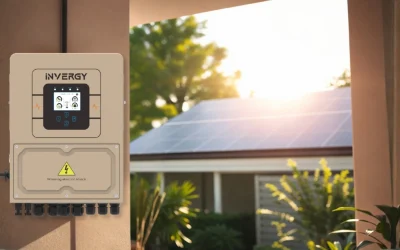
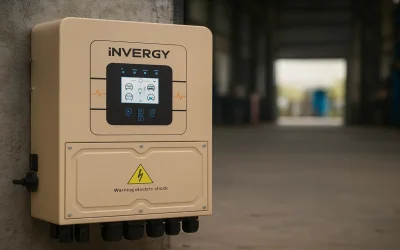
Working with experienced providers and choosing solutions like iNVERGY Hybrid Inverter systems helps EPC contractors achieve reliable, scalable, and cost-efficient outcomes.
Conclusion
Understanding hybrid inverter pricing is key to EPC project success. It’s important for everyone involved to keep up with market changes and trends. These can greatly affect the project’s budget.
Knowing what affects hybrid inverter prices helps project managers make smart choices. This leads to better project execution. It’s all about making informed decisions.
Strategically planning procurement and using financing options are also important. This approach can lead to cost savings and better teamwork. It’s a step towards achieving EPC project success.
As the industry grows, having the right knowledge is essential. This knowledge helps stakeholders meet project goals and use hybrid inverter technology fully. It leads to more efficient and sustainable energy solutions.

0 Comments
Trackbacks/Pingbacks