
Battery Energy Storage Systems (BESS) are changing the game for smart grids, mainly in India. As India moves towards cleaner energy, BESS is key in handling the ups and downs of solar and wind power. By adding BESS, we make energy systems more reliable and efficient. This makes smart grids better at handling changes in energy needs and supply.
This important tech helps mix renewable energy smoothly into the grid. It’s a big step towards a greener future.
Key Takeaways
- BESS plays a critical role in making energy systems more reliable in smart grids.
- Using BESS makes it easier to add renewable energy sources to the grid.
- Smart grids get better at saving energy with BESS technology.
- BESS helps deal with the unpredictable nature of solar and wind energy.
- These systems make the energy system more stable.
- The shift to cleaner energy in India depends a lot on BESS progress.
Introduction to Smart Grids
Smart grids are changing how we handle energy. They use new tech to watch and talk to energy needs in real time. This helps both companies and people use energy better and more green.
Smart grids mix digital tech with old power systems. This makes energy flow better and helps make smart choices. It also cuts down on energy waste and makes it more efficient.
Smart grid tech has key parts like smart meters and better data tools. These tools change how we make, send, and use energy. They help us move towards a cleaner, stronger energy future.
Understanding Battery Energy Storage Systems (BESS)
Battery Energy Storage Systems (BESS) are key in today’s energy management. They use advanced battery tech to store energy. This ensures it’s available when needed most or when renewables are scarce.
There are many types of batteries, like lithium-ion and flow batteries. Each has its own strengths for storing energy in the grid.
Lithium-ion batteries are famous for their high energy and efficiency. They’re used in electric cars and gadgets. Now, they’re also in the grid to boost storage.
Flow batteries, though, last longer and can grow bigger. They’re perfect for keeping energy stored for a long time.
Adding BESS to the grid makes energy use more flexible and stable. They store extra energy when it’s not needed. Then, they send it out when demand is high.
This helps avoid power cuts and price jumps. As we move to renewable energy, good storage solutions are more critical. They drive innovation towards a greener future.
The Importance of BESS in Energy Transition
India is moving towards clean energy, and Battery Energy Storage Systems (BESS) play a key role. They help in using renewable energy more efficiently. This makes India’s energy system better.
Supporting Renewable Energy Integration
Renewable energy sources face challenges like being unpredictable. BESS solves this by storing extra energy when it’s made. It then gives back energy when it’s needed most.
This balance is key for a stable and green energy system. It helps the grid work better with renewable energy.
Enhancing Grid Resilience and Reliability
BESS makes the grid stronger and more reliable. It provides backup power and keeps voltage stable. This is important during emergencies or when the grid is under stress.
With BESS, India’s energy network becomes more solid. It can meet the needs of people all over the country.
How BESS Enhances Grid Stability
-
Frequency Regulation: Rapid response to maintain grid frequency.
-
Demand Response: Shifts energy use intelligently based on real-time needs.
-
Load Management: Reduces stress on the grid during peak hours.
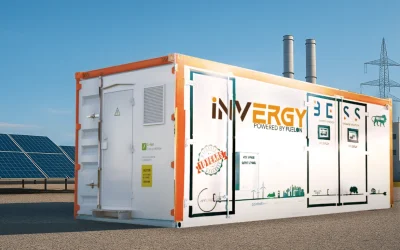
Invergy’s BESS integrates seamlessly with solar plants, hybrid inverters, and grid-tied systems, offering maximum flexibility.
Role of Frequency Regulation
Keeping the grid’s frequency steady is vital. BESS helps manage these changes by adjusting output quickly. This prevents blackouts and keeps electricity flowing steadily.
With more solar and wind power, energy generation can change a lot. BESS’s fast response is essential to handle these changes.
Real-time Demand Response Capabilities
BESS also helps manage energy use in real-time. It lets grid operators adjust energy usage across sectors. This ensures demand and supply match up perfectly.
By using BESS for demand response, operators can avoid grid overload. This is key in today’s fast-changing energy market.
Invergy’s Innovative Use of BESS in Smart Grids
Invergy leads in using BESS in smart grids across India. These efforts have greatly improved energy distribution and local markets. Success stories show how these systems have changed energy access and reliability, helping underrepresented areas.
Implementation Success Stories in India
In rural Maharashtra, Invergy set up a BESS facility. It used renewable energy to store power when there was too much and then gave it out when needed. This made energy more available, boosting local businesses and reducing fossil fuel use.
Impact on Local Energy Markets
BESS has changed local energy markets a lot. Prices now reflect how much energy is available and needed. This has made the market more competitive and reliable. It also drew in investors and entrepreneurs to rural areas.
| Project Location | Energy Storage Capacity (MW) | Impact on Local Economy | Benefits to Community |
|---|---|---|---|
| Maharashtra | 10 | Boost in local business activities | Improved energy access |
| Karnataka | 15 | Reduced power costs | Increased energy reliability |
| Tamil Nadu | 20 | Attraction of new investments | Infrastructure development |
Role of IoT in BESS Optimization
The Internet of Things (IoT) changes how Battery Energy Storage Systems (BESS) work. It brings advanced monitoring and control. This makes BESS better at managing energy and working well.
This section looks at how IoT helps with real-time monitoring. It also talks about how smart technology boosts BESS efficiency.
Real-time Monitoring and Control
IoT lets BESS systems send data constantly. This means performance can be checked easily. Operators can:
- Track battery health and efficiency
- Monitor energy usage patterns
- Receive alerts for maintenance needs
With this info, operators can make smart choices. This leads to better energy use and lower costs. It also helps fix problems quickly, making the grid work better.
Improving Efficiency through Smart Technology
Smart tech uses advanced algorithms to improve BESS. It works with IoT data to:
- Automate charge and discharge cycles
- Optimize energy distribution
- Make user interfaces better
IoT and smart tech together make BESS work better. They help energy companies meet changing needs and ensure a green future.
| Feature | Traditional Systems | IoT-Enabled BESS |
|---|---|---|
| Data Monitoring | Periodic checks | Continuous real-time monitoring |
| Management Response | Delayed responses to issues | Immediate automated responses |
| Efficiency Analysis | Post-operation analysis | Real-time efficiency metrics |
| Operational Costs | Higher due to inefficiencies | Reduced through optimized performance |
Virtual Power Plants (VPP) and BESS Synergy
Virtual Power Plants (VPP) use Battery Energy Storage Systems (BESS) and other energy sources to create a network. This network makes energy distribution more efficient. It ensures energy is used well and not wasted.
The VPP system helps manage energy better. It allows for real-time monitoring and a system that can quickly adjust to changing needs.
How VPP Enhances Energy Distribution
VPPs improve energy distribution by combining different energy sources. They balance energy supply and demand. This way, they make sure excess energy is saved for later use.
By using BESS, VPPs keep the grid stable. They send out energy when it’s needed. This makes energy distribution more efficient. People save money and get reliable energy.
Local communities have seen more energy independence and lower bills. This is thanks to VPPs’ smart energy management.
The Future of BESS in India’s Energy Landscape
The future of BESS in India depends on strong government policies and new technology. As India moves towards cleaner energy, government support is key. Policies that boost renewable energy and offer financial help for BESS projects will help a lot.
Government Policies and Support
Current government policies have set a good base for BESS. The National Energy Storage Mission is working to lower costs and make energy storage part of the grid. Future plans might include more subsidies, tax breaks, and easier rules for companies to join in.
This help will really boost the growth and use of battery storage in India.
Technological Advancements on the Horizon
New tech is also making BESS better. Things like solid-state batteries and better lithium-ion tech will make batteries last longer and cost less. These changes will make India’s energy system more efficient and reliable.
Keeping up with research and development will lead to even better energy storage solutions.
Challenges and Limitations of BESS in Smart Grids
Battery Energy Storage Systems (BESS) have great promise for smart grids. But, several challenges stand in the way. The cost and whether they are economically viable are key. Understanding these financial aspects is critical for BESS projects.
Also, the infrastructure and how to integrate BESS into existing grids are big hurdles. These factors greatly affect the deployment of BESS in smart grids.
Cost Considerations and Economic Viability
The cost of BESS projects is a major factor. It includes the initial investment, ongoing costs, and any savings later on. Even though battery prices have dropped, a lot of money is needed for large-scale use.
Looking closely at the costs of BESS can reveal important details. This helps us understand if it can be used in smart grids.
| Cost Factors | Impact on Economic Viability |
|---|---|
| Initial Capital Investment | High initial costs can deter investment. |
| Operational and Maintenance Costs | Ongoing expenses influence long-term profitability. |
| Energy Savings | Potential reductions in energy costs improve attractiveness. |
| Government Incentives | Supportive policies can enhance economic feasibility. |
Infrastructure and Integration Challenges
Setting up a strong infrastructure for BESS is essential. The grid must handle more energy storage and work well with renewable energy. Good planning is needed to overcome infrastructure issues and make integration smooth.
By tackling these challenges, India can lead in smart grid technology and green energy.
Environmental Impact of BESS Technology
Battery Energy Storage Systems (BESS) play a big role in our energy future. They help us use cleaner energy by storing power from the sun and wind. This means we use less fossil fuels, which is good for our planet.
Reducing Carbon Footprint
Using BESS technology can cut down on carbon emissions a lot. It helps us use energy more efficiently. By storing extra clean energy, we don’t need to make as much dirty energy when we need it most.
This makes BESS a key player in fighting climate change. It helps us move towards cleaner energy sources.
Lifecycle Assessment of Battery Use
It’s important to look at how batteries are made, used, and thrown away. Making batteries can harm the environment, but recycling is getting better. This makes BESS a greener choice.
Future Developments in BESS Technology
The energy sector is on the verge of a big change with new BESS technology. Improvements in battery chemistry are key, aiming to boost energy density, cut costs, and be more eco-friendly. Solid-state batteries, for example, could change the game by holding more energy and being safer.
Another area seeing big strides is in how fast BESS technology can charge. This means energy storage can keep up with quick changes in demand. As more industries turn to renewable energy, BESS systems will play a key role in managing the ups and downs of supply.
In India, there’s a growing buzz around the latest in BESS technology. People are looking for solutions that fit with the country’s green energy goals. By adopting these new technologies, energy companies can work better, use less fossil fuels, and support cleaner energy sources.
| Innovation | Impact | Future Potencial |
|---|---|---|
| Solid-State Batteries | Higher energy density, improved safety | Widespread commercial use within a decade |
| Faster Charging Technologies | Reduced downtime, quicker response times | Adaptability for various applications |
| Recycling Programs | Lower environmental impact, resource recovery | Emerging industry with substantial growth prospects |
These ongoing advancements show a bright future for BESS technology in meeting energy needs. As things keep changing, there are big chances for better efficiency and sustainability in the energy world.
Conclusion
Battery Energy Storage Systems (BESS) are key to smart grids, playing a vital role in India’s energy future. They help mix different energy sources, making grids more stable and efficient. This is critical as India grows and needs more energy.
Despite challenges like cost and infrastructure, these can be solved with new tech and government support. Advances in energy storage will boost BESS, helping create a green energy system.
Investing in energy research and storage is essential for a strong, green future in India. BESS helps use renewable energy and keeps the grid stable. This makes them a cornerstone of India’s energy plan.

0 Comments