
As we look for ways to use energy better, knowing about hybrid inverter prices and how well they work is important. Hybrid inverters mix solar power with regular electricity. This ensures uninterrupted power and helps reduce energy costs.
When picking a hybrid inverter, it’s important to balance cost with performance. The right choice can optimize your energy use, cut down bills, and support sustainable living.
Key Takeaways
- Understanding hybrid inverters is key to effective energy management.
- Pricing impacts overall value and long-term savings.
- Performance metrics directly relate to energy savings.
- Cost-effective solutions support sustainable living.
- Choosing the right inverter can yield significant savings.
Understanding Hybrid Inverters
What is a Hybrid Inverter?
A hybrid inverter combines the functions of a solar inverter and a charge controller. It converts solar energy into usable electricity and manages the energy flow between solar panels, batteries, and the grid.
How Do They Work?
Hybrid inverters prioritize solar power when available and switch to grid power when required. They can also store extra energy in batteries for later use, making energy supply more reliable.
Factors Affecting Hybrid Inverter Performance
It’s important to know what affects hybrid inverter performance for better energy use. Key factors include efficiency ratings, power output, and capacity. These elements work together to show how well an inverter works. By understanding these, people can choose wisely, saving energy and improving performance.
Efficiency Ratings
Efficiency ratings are key in how well a hybrid inverter turns solar energy into electricity. Higher ratings mean better inverter efficiency, leading to more energy for homes. Modern hybrid inverters often have efficiency over 95%.
This high performance can lower energy costs and make energy systems more sustainable.
Power Output and Capacity
Power output and capacity are vital for judging hybrid inverter performance. The power capacity is the max energy the inverter can handle at once. A higher capacity means better energy management, even during busy times.
It’s important for consumers to match their energy needs with the right inverter capacity. This ensures efficient energy use.
Hybrid Inverter Price vs Performance
When looking at hybrid inverters, it’s key to compare their price to how well they perform. This helps us see the costs of buying and using them over time. It also helps us figure out if the price is worth it for what you get.
Breaking Down the Costs
The cost of a hybrid inverter can change a lot. It depends on things like the brand, how much power it can handle, and how hard it is to install. Knowing these costs helps with planning your budget. Also, think about how much you might save on your energy bills in the long run. This can make the inverter a better deal.
Hybrid Inverter Price vs Performance
Breaking Down the Costs
Hybrid inverter prices in India usually range between ₹25,000 to ₹1,00,000, depending on capacity, features, and installation. While budget models are cheaper, premium models offer better efficiency and durability.
Performance Metrics to Consider
-
Efficiency – Higher efficiency means lower energy losses.
-
Load Management – Ability to handle fluctuating power demands.
-
Battery Compatibility – Ensures longer battery life and stable backup.
Budget vs Premium Hybrid Inverters
| Features | Budget Models (₹25k–₹50k) | Premium Models (₹60k–₹1L+) |
|---|---|---|
| Warranty | 1–2 Years | 5–10 Years |
| Efficiency Rate | 85%–90% | 90%–98% |
| Monitoring Features | Basic | Advanced (mobile apps, IoT) |
| Scalability | Limited | Flexible & Expandable |
Budget inverters are ideal for small households, while premium inverters suit larger systems with higher energy needs.
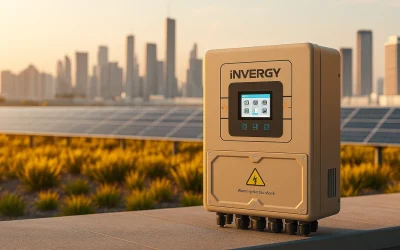
Invergy Hybrid Inverters: A Reliable Choice
Invergy is building a strong reputation in India with its reliable, efficient, and cost-effective hybrid inverters.
Key Features of Invergy Hybrid Inverters:
-
High Efficiency for maximum solar utilization.
-
Smart Monitoring Options for real-time energy tracking.
-
Built-in Battery Management Systems (BMS) to prevent overcharging and overheating.
-
Durability to handle tough weather conditions in India.
-
Longer Lifespan with low maintenance costs.
By offering a balance of affordability and performance, INVERGY HYBRID INVERTERS are ideal for both homes and businesses.
Cost Comparison
Budget hybrid inverters are cheaper, attracting those on a tight budget or new to solar energy. They work well but might lack features and have shorter warranties. Premium models, though pricier, offer better performance, longer warranties, and more features. They are a smart choice for saving money in the long run.
Feature Differences
Looking at budget and premium hybrid inverters shows some big differences:
| Features | Budget Hybrid Inverters | Premium Models |
|---|---|---|
| Price Range | INR 25,000 – INR 50,000 | INR 60,000 – INR 1,00,000 |
| Warranty Period | 1-2 Years | 5-10 Years |
| Efficiency Rate | 85% – 90% | 90% – 98% |
| Smart Features | Basic Monitoring | Advanced Monitoring & Automation |
| Integration Capability | Limited | Highly Flexible |
Understanding these differences helps you pick the right inverter for your needs and budget.
The Role of Inverter Quality in Performance
Inverter quality is key to how well hybrid inverters work. People often focus on price and features, not quality. A good inverter means better performance and reliability over time. It also means a stable energy supply for years.
Why Quality Matters
Top-notch inverters use the best materials and tech. This makes them more efficient and less likely to break down. Brands like SMA and Fronius stand out for their quality. They offer features that keep your system running smoothly, no matter the weather.
When looking at quality, check efficiency ratings, what others say, and the warranty. This helps you make a smart choice.
Durability and Reliability
Durability and reliability are what make an inverter great. A strong inverter can handle tough weather and keep working. This is very important in places like India, where the weather can be extreme.
Brands known for lasting performance usually offer long warranties. This shows they believe in their products. Choosing a trusted brand can save you money in the long run by avoiding costly repairs.
Understanding MPPT Range
Maximum Power Point Tracking (MPPT) is key in hybrid inverters for getting the most from solar panels. The MPPT range lets inverters tweak their settings based on the environment. This boosts their performance. We’ll dive into why MPPT matters and how it improves solar energy systems.
What is MPPT?
MPPT is a method in solar inverters to work at the panel’s most efficient point. It checks the voltage and current from the panel. Then, it adjusts to find the best spot for maximum energy conversion.
The MPPT range is how well it can adjust under different temperatures and light. This is vital for getting the most energy.
Impact on Performance
The MPPT range’s effectiveness really shows in how well an inverter works. A broader range means more energy capture when sunlight changes. Several things can change this, like:
- Temperature changes
- Shading on panels
- Panel position and angle
Good MPPT systems lead to more energy production and less loss. For example, an inverter with a strong MPPT range does better in tough conditions. This makes it a must-have for those wanting to get the most from their solar setup.
| MPPT Range | Efficiency Level | Impact on Performance |
|---|---|---|
| Wide (up to 600V) | High | Better energy capture in varying conditions |
| Narrow (up to 350V) | Moderate | Limited performance under fluctuating sunlight |
Monitoring Options for Hybrid Inverters
Monitoring options are key to improving hybrid inverter performance. Users can choose from various systems to meet their needs. These systems offer insights into energy generation and ensure the inverter works efficiently.
Types of Monitoring Systems
Today, hybrid inverters come with different monitoring systems. These cater to different user preferences. The main types are:
- Mobile Applications: Easy access to real-time data on smartphones.
- Online Dashboards: Detailed views of system performance and analytics on laptops or desktops.
- Remote Monitoring: Allows users to track inverter performance from anywhere with internet.
Benefits of Real-Time Monitoring
Real-time monitoring greatly benefits hybrid inverter systems. Here are some advantages:
- Optimization of Energy Usage: Users can adjust settings for better performance based on data.
- Early Issue Detection: Problems are quickly found, ensuring continuous operation.
- Enhanced System Efficiency: Continuous monitoring keeps the inverter at peak performance, maximizing energy output.
Service and Maintenance Considerations
Keeping hybrid inverters in good shape is key to their success. Regular maintenance boosts performance and prevents costly fixes. This part talks about why routine checks are important and the benefits of following service guidelines.
Importance of Regular Maintenance
Keeping your hybrid inverter clean and free from damage is vital. Dust and dirt can slow it down over time. Regular checks can spot problems early, saving you from bigger issues later.
- Enhanced performance and energy output
- Extended lifespan of the inverter
- Reduced risk of unexpected breakdowns
A well-kept inverter works better and lasts longer. So, it’s smart to set up regular service visits.
Warranty and Support Services
Knowing about warranties is important when you buy a hybrid inverter. Warranties vary by manufacturer, covering different periods or conditions. A good warranty protects against defects and service costs.
- Customer support is easily accessible
- Technical assistance is available when needed
- Clear service recommendations align with the warranty provisions
An inverter with strong warranties and good support is a big plus. Following service tips keeps your inverter running smoothly and supports its long-term use.
Assessing Total Cost of Ownership
When looking at hybrid inverters, it’s key to understand the total cost of ownership. This includes more than just the first cost. It also looks at long-term costs and energy savings. By comparing these costs to future savings, buyers can make better choices.
Initial Investment vs Long-Term Savings
The cost of a hybrid inverter can change based on its features and brand. Some might be cheaper upfront but not save as much money in the long run. To fully understand the cost, consider:
- Energy savings: Hybrid inverters can cut down on electricity bills over time, which is great for energy-efficient homes.
- Maintenance costs: Keeping the inverter in good shape is important for its long life and affects the total cost.
- Lifespan of the inverter: Inverters that last longer can save money because they need fewer replacements and repairs.
Factors to Consider in ROI
Several things affect the return on investment for hybrid inverters. These include:
- Installation costs: Getting a pro to install it can cost more but ensures it works well.
- Energy efficiency ratings: Models with higher ratings save more energy over their life.
- Local incentives or rebates: Government programs can help lower the upfront cost, making the inverter more affordable.
Knowing these factors helps buyers understand the total cost. This makes it easier to choose an inverter that fits their energy needs and budget.
User Experiences and Reviews
User experiences are key to understanding how hybrid inverters work in real life. Customer reviews give us a clear picture of what to expect from both budget and premium models. They help us make better choices by sharing real-world experiences.
Common Feedback on Budget Inverters
Budget hybrid inverters get mixed reviews. People like how affordable they are and how well they work. Here’s what many users say:
- Cost-effectiveness: Budget models are great for those starting out without spending too much.
- Installation Process: Many find installing these inverters easy, which is a big plus for homeowners.
- Performance to Price Ratio: Users say these inverters are a good deal for home use, given their price.
Insights from Premium Inverter Users
Premium hybrid inverters attract users who want the best. Their reviews often talk about:
- Enhanced Efficiency: Premium models are praised for their top-notch performance, even in changing weather.
- Reliability: Long-time users love how durable these inverters are, with fewer problems over time.
- Advanced Features: Users often mention cool features like monitoring apps that make using the inverter better.
Future Trends in Hybrid Inverters
The world of hybrid inverters is changing fast. New technology and a growing need for clean energy are driving these changes. By understanding these trends, we can see how hybrid inverters will evolve to meet the energy market’s needs.
Technological Advancements
New tech in hybrid inverters aims to boost performance and cut costs. Better battery management systems help store and use energy more efficiently. Artificial intelligence now helps manage energy smartly, using real-time data.
Also, connecting with IoT devices lets users monitor their energy use from afar. This gives them insights into how they use energy.
Market Predictions
The outlook for hybrid inverters looks good, with market growth expected. More money going into renewable energy means more people will use hybrid systems. Governments also want to make energy use more efficient, pushing manufacturers to innovate.
This means hybrid inverters will play a key role in reaching green energy goals. They will become a must-have for homes and businesses.
Conclusion
In this summary, we looked at how price and performance matter when picking an inverter. A higher price usually means better efficiency, durability, and features. But, it’s also important to think about your needs and long-term savings.
When looking at different inverters, remember each one has its own benefits. Your choice should balance what you need and what you can afford. This way, you’ll make a choice that fits your energy goals well.
Knowing about hybrid inverters helps you find a good balance between cost and performance. Be smart about your energy choices. Pick a hybrid inverter that offers great value and meets your specific needs.


0 Comments